Traditions
Tui na massage benefits: what the evidence says
Tui na, acupressure and cupping are the hands-on side of traditional Chinese medicine. Here is what the research supports, what it borrows from acupuncture, and what it can't yet say.
The short answer
Tui na and acupressure press and knead the body along the acupuncture point map. Most tui na massage benefits you hear claimed are borrowed from acupuncture research: NCCIH says acupuncture may help 4 chronic pain conditions, though sham needling sometimes works as well. Treat a 60 minute session of pressure-point work as comfort care rather than proven treatment.
- acupuncture may help: low-back, neck, knee, carpal tunnel
- 4 pain types
- tension-headache frequency; migraine prevention (NCCIH)
- 2 headache findings
- balance, knee osteoarthritis, fibromyalgia, heart-failure mood
- 4 tai chi findings
- from badly done acupuncture, incl. punctured organs
- 4 complications
- arsenic, lead and cadmium found in tested herbal products
- 3 heavy metals
- warfarin and diclofenac detected undeclared in herbal products
- 2 hidden drugs
What is tui na, and how does it relate to acupressure and cupping?
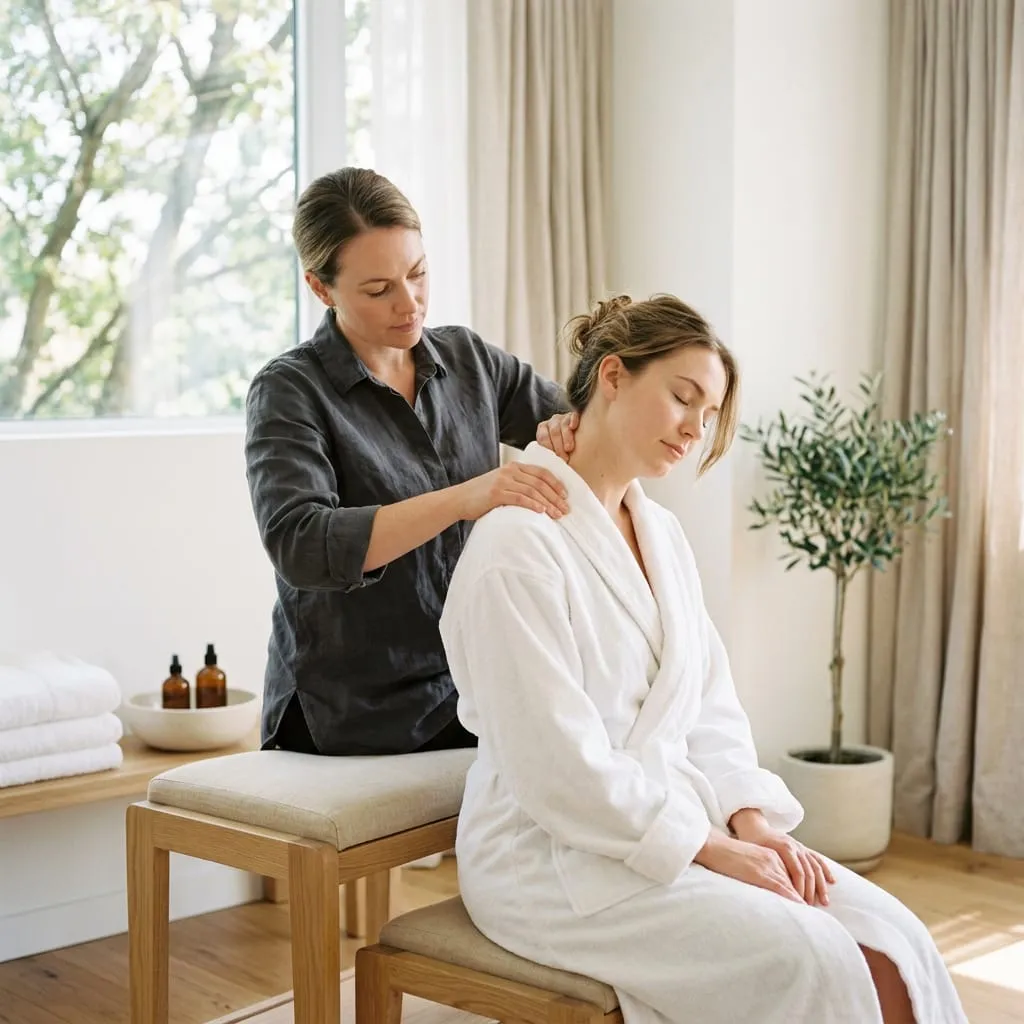
Tui na is the hands-on massage of traditional Chinese medicine: the practitioner presses, kneads and manipulates the body by hand. It sits beside 2 other manual techniques, acupressure (pressure on the points used in acupuncture) and cupping (suction on the skin). The National Center for Complementary and Integrative Health (NCCIH) describes traditional Chinese medicine as a system that has evolved over thousands of years, in which practitioners use psychological and physical approaches, such as acupuncture and tai chi, as well as herbal products to address health problems.
The evidence is spread very unevenly across that system. NCCIH's consumer material spends most of its detail on 3 practices: acupuncture, tai chi and Chinese herbal products. The manual therapies belong to the same tradition but have been studied far less, so a claim that "TCM works" folds together practices with very different evidence and very different risks. This guide covers the pressing-and-kneading side; cupping has a guide of its own.
Do qi and meridians explain how tui na works?
Not in the way current research explains it. The traditional framing describes health as a balance of forces and a flow of energy, called qi, moving along channels in the body called meridians. Tui na, acupressure and the point selection in acupuncture all draw on that map, and it is the language you will hear in many treatment rooms.
Research on acupuncture, the most studied point-based therapy, tells a different story. NCCIH reports 2 effects studies point to: acupuncture stimulates the release of the body's natural painkillers, and it affects areas of the brain involved in processing pain. NCCIH also notes that some trials suggest real and sham acupuncture are equally effective, indicating a placebo effect. If the wrong points work about as well as the right ones, the specific points matter less than the meridian map says they should.
The meridian map remains the cultural and historical background of these practices, while the measurable effects, where they appear, are being explained through ordinary biology and, in a fair share of cases, through expectation and the ritual of treatment.
Needle the wrong spots, or use needles that never go into the skin, and people often improve about the same.
What are the proven tui na massage benefits?
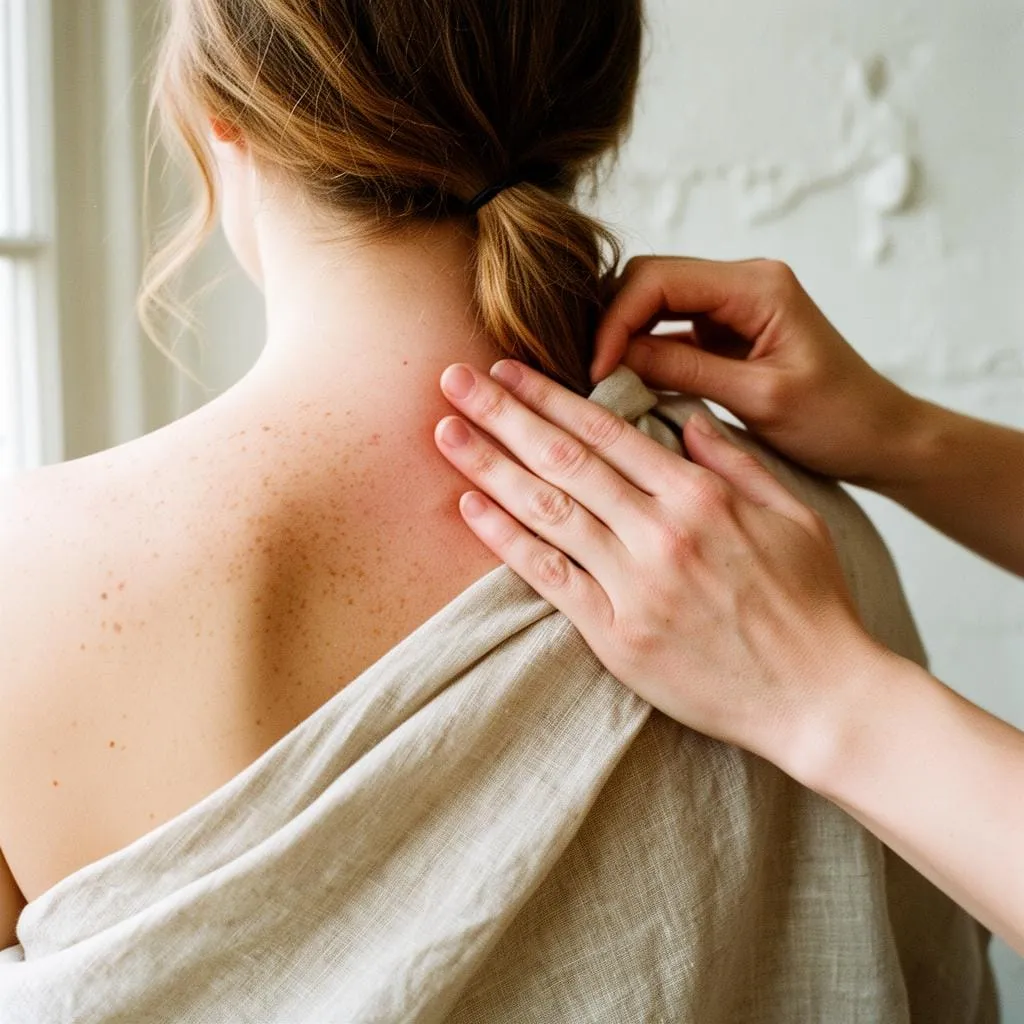
None have been proven directly. NCCIH's consumer pages barely mention tui na and report no trial findings for it; the pain findings usually quoted come from acupuncture trials. NCCIH writes that results from a number of studies suggest real acupuncture may help ease types of pain that are often chronic, and it names 4: low-back pain, neck pain, osteoarthritis and knee pain, and carpal tunnel syndrome. Acupuncture may also reduce how often tension headaches happen and help prevent migraines. The wording throughout is "may help", never "treats" or "cures".
Tui na and acupressure work the same points for the same complaints without needles, so the tui na massage benefits listed on spa menus are often borrowed from acupuncture's research. As a guess about manual pressure that is reasonable, but it has not been tested the way the needle trials were, and expecting the results of a chronic-pain acupuncture trial from a hand massage reaches past the evidence. For what has been tested on massage itself, see our guide to massage for back pain.
Tai chi, the moving practice from the same tradition, has a clearer record. Research suggests it may improve balance and stability in older people and those with Parkinson's disease, reduce pain from knee osteoarthritis, help people cope with fibromyalgia and back pain, and promote quality of life and improve mood in people with heart failure. Tai chi isn't bodywork, though it shows that parts of the tradition have earned cautious, named support.
| Practice | Evidence picture | Studies NCCIH lists |
|---|---|---|
| Acupuncture | Mixed: may help chronic pain (low-back, neck, osteoarthritis/knee, carpal tunnel) and headaches, but some sham-controlled trials show equal results. | Vickers 2012 (chronic pain); Manheimer 2010 (osteoarthritis); Maeda 2017 (carpal tunnel); Linde 2009 (2 headache reviews) |
| Tai chi | May improve balance and stability, reduce knee-osteoarthritis pain, help with fibromyalgia and back pain, and lift mood in heart failure. | Wang 2009 (knee osteoarthritis); Hall 2011 (low-back pain); Yeh 2011 (heart failure); Jones 2012 (fibromyalgia); Li 2012 (Parkinson's balance) |
| Tui na & acupressure | Same point map, far less direct study; their benefits are usually argued from acupuncture's evidence. | None names either practice |
| Cupping | No conditions listed as proven; NCCIH's page covers method and safety. | None; the cupping page lists no references |
| Chinese herbal products | Many studies, mostly of poor quality, so no firm conclusions on effectiveness. | Hu 2011 (overview of Cochrane reviews); Coghlan 2015 (DNA, toxicology and heavy-metal testing) |
Where does cupping fit in?
Cupping is the most visible of the three, with the widest gap between what you can see and what has been shown. NCCIH describes suction created inside a cup, either by heating it with a flame or with a pump, in 2 versions: dry, where the skin stays intact, and wet, where it is pierced. Its cupping page lists no conditions the practice treats, and nearly all of it covers technique and safety.
The round marks come from suction acting on small blood vessels under the skin. NCCIH advises explaining them to your health care providers so they aren't mistaken for signs of physical abuse. The full account of the marks, the risks and the questions to ask is in our cupping therapy guide.
Is tui na or acupressure safe?
Cleanly performed hands-on work is generally low-risk; the documented harms in this tradition gather around cupping, needles and herbal products. For cupping, NCCIH lists 5 side effects (persistent skin discoloration, scars, burns, infections, and worse eczema or psoriasis) and 2 rare but severe events: bleeding inside the skull after cupping on the scalp, and anemia from blood loss after repeated wet cupping. Cups shared between clients without sterilization can spread bloodborne diseases, including hepatitis B and C.
For needle work, NCCIH notes that relatively few complications from acupuncture have been reported. Those that have came from nonsterile needles and improper delivery, and they include 4 serious ones: infections, punctured organs, collapsed lungs, and injury to the central nervous system. Most U.S. states regulate acupuncture, and most require certification from the National Certification Commission for Acupuncture and Oriental Medicine.
For massage, Florida licenses every massage therapist and every massage establishment through the Board of Massage Therapy, and anyone can look up a license on the Department of Health's public license search. Our guide to choosing a massage therapist lists the other questions worth asking. Whoever you see, work through these in order:
- Ask about training and licensing. For needle work, most U.S. states require the NCCAOM credential; for massage in Florida, check the license on the state search.
- If cupping is involved, settle dry or wet. Wet cupping breaks the skin, and the bloodborne-disease risk becomes real rather than theoretical.
- Confirm the cups are single-use or sterilized. That answer protects you in dry cupping as much as wet.
- Expect cupping marks and mention them. Tell any clinician who sees them, so they aren't mistaken for signs of physical abuse.
- Keep conventional care in place. Don't lean on any of it to replace or delay treatment for something serious.
Are Chinese herbal products safe to take?
Treat them with more caution than the bodywork. NCCIH says Chinese herbal products have been studied for 4 problem areas (stroke, heart disease, mental disorders, and respiratory illnesses such as bronchitis and the common cold), but because many studies have been of poor quality, no firm conclusions can be made about their effectiveness.
The bigger concern is what testing has found inside them. NCCIH reports products contaminated with undeclared plant or animal material; with drugs, including the blood thinner warfarin and the nonsteroidal anti-inflammatory diclofenac; with 3 heavy metals, arsenic, lead and cadmium; with pesticides or sulfites, which could cause asthma or severe allergic reactions; or with the wrong herbs, some of which have caused organ damage. Hidden warfarin is especially dangerous if you already take a blood thinner or are heading into surgery.
NCCIH's advice is plain: if you have a health condition, talk with your health care provider before using TCM herbal products, and tell all your providers about any complementary approaches you use. It singles out 3 situations that call for that conversation first: pregnancy, nursing, and any plan to give these products to a child. Bring the actual bottle so your clinician can read the label.
What is the closest thing to tui na at our Gainesville studio?
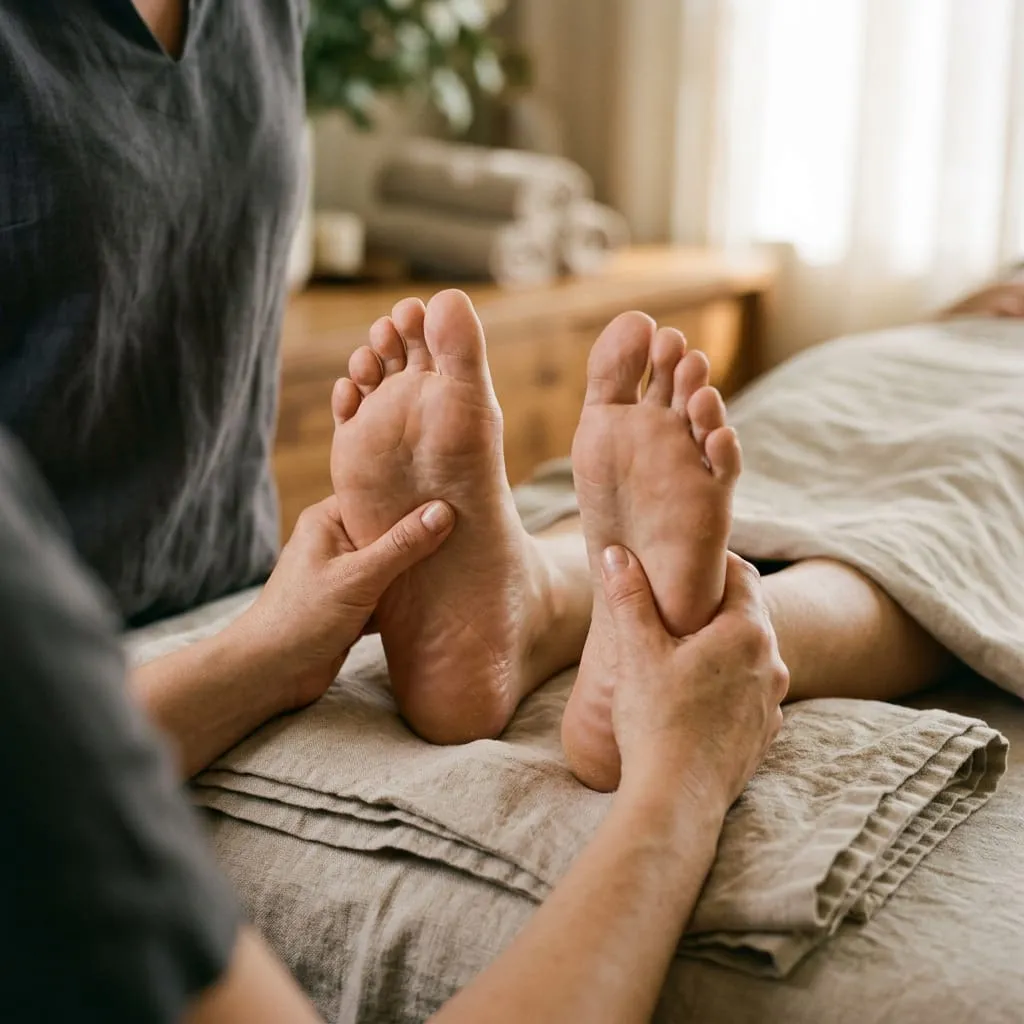
Our menu doesn't list tui na or acupressure. The nearest service is Reflexology Massage, which applies targeted pressure to specific points on the feet, hands or ears instead of relaxing whole muscles. Reflexology works from its own map of points rather than the acupuncture meridians, and the evidence caution above applies to it too. A 60 minute session is $80 and 90 minutes is $120, both bookable online; 30, 45 and 75 minute sessions are booked by phone at (352) 339-6646.
For something simpler, our Foot Massage starts with a soak of lavender, rose, herbs and sea salt, and 30 minutes is $60. Cupping is a $30 add-on to a massage; to add it, call (352) 339-6646 or ask at the studio. Wellness Massage Spa is at 5750 SW 75th Ct Ste 20, Gainesville, FL 32608, open every day from 9:30 AM to 10 PM.
Questions people ask
What is tui na massage?
Tui na is the hands-on massage of traditional Chinese medicine: the practitioner presses, kneads and manipulates the body by hand, working the same point map used in acupuncture. It has been studied far less than acupuncture, so its benefits are plausible rather than proven.
Are tui na massage benefits proven?
Not directly. The chronic-pain evidence usually cited, for low-back pain, neck pain, knee osteoarthritis and carpal tunnel syndrome, comes from acupuncture trials rather than studies of manual pressure. NCCIH's wording is that acupuncture may help, and applying that to tui na or acupressure is a reasonable guess, not a tested result.
What is the difference between tui na and acupressure?
Tui na is a broader hands-on massage that presses, kneads and manipulates the body. Acupressure focuses on pressing the specific points used in acupuncture. Both draw on the same traditional point map, and neither has the trial record acupuncture has.
Why do sham acupuncture results matter?
In some trials, sham acupuncture, using the wrong points or needles that never go into the skin, works about as well as the real thing, which NCCIH says indicates a placebo effect. That undercuts the idea that specific meridian points drive the benefit and suggests expectation and the ritual of treatment explain a fair share of the relief people feel.
Are Chinese herbal products safe to take alongside bodywork?
Treat them separately and cautiously. Testing has found some products contaminated with undeclared drugs such as warfarin and diclofenac, heavy metals including arsenic, lead and cadmium, pesticides, or incorrect herbs, some of which have caused organ damage. NCCIH advises telling every health care provider what you take, especially if you're on medication, pregnant or nursing.
Can I get tui na at Wellness Massage Spa in Gainesville?
Tui na isn't on our menu. The closest service is Reflexology Massage, targeted pressure on points of the feet, hands or ears, at $80 for 60 minutes. Our Foot Massage starts with a herbal soak. Book online or call (352) 339-6646.
Sources
- NCCIH — Traditional Chinese Medicine: What You Need To Know
- NCCIH — Cupping
- Florida Department of Health — License Verification
Written by Wellness Massage Spa from the primary sources above. Sessions at our Gainesville studio are performed by licensed massage therapists; Florida licenses every therapist through the Florida Board of Massage Therapy.
This guide is for general education only and is not medical advice. Talk with your healthcare provider about what is right for you.
Pressure-point massage
Looking for pressure-point work in Gainesville?
Reflexology Massage applies targeted pressure to points on the feet, hands or ears. Book 60, 90 or 120 minutes online, or call for 30, 45 or 75 minutes.
Wellness Massage Spa · 5750 SW 75th Ct Ste 20, Gainesville, FL 32608 · (352) 339-6646 · Open daily 9:30 AM – 10 PM.